
Board‑Certified Dermatologist Breaks Down Plushgrid’s Viral Popularity: How It Helps Stimulate Hair Regrowth
If your hair part keeps widening, your ponytail feels noticeably thinner, or you can easily see your scalp under bright bathroom lighting, you have likely seen Plushgrid blowing up across TikTok. A board‑certified dermatologist explains what this product truly delivers, what features you should look for, and what most hair‑care brands omit from their marketing messaging.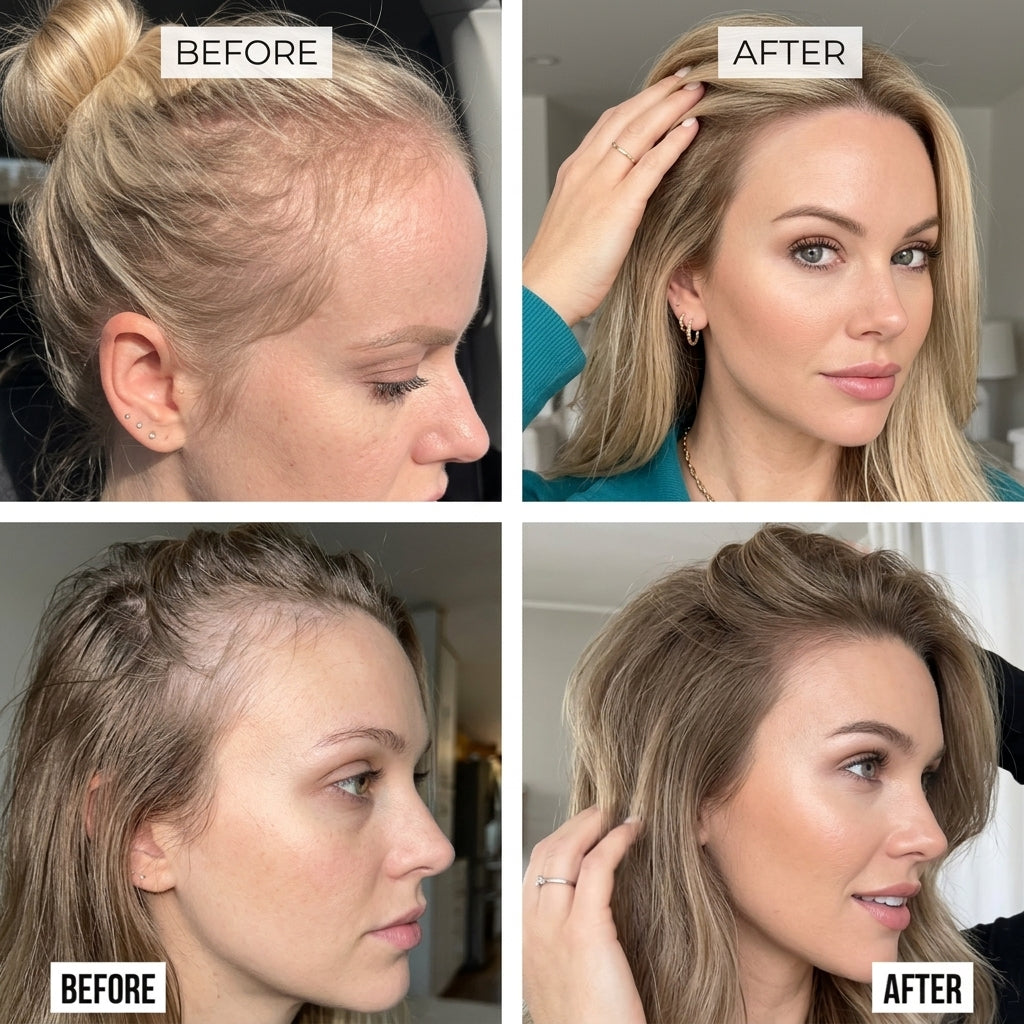
Over the past few years, the questions coming into my practice have shifted dramatically. Previously, patients mostly asked: “Which hair oil should I purchase?” Today, the far more common question is: “Why haven’t any of the hair products I already tried produced real results?”
Many people are surprised by the honest answer: It is rarely the product itself that is defective. Thinning hair stems from multiple overlapping issues, yet most retail hair solutions only address one single factor — or none at all.
If you have stacked hair oils, biotin supplements, and growth‑focused shampoos into your routine without seeing improvements, below is the clinical breakdown I share with in‑office patients. We will cover what happens inside your hair follicles, why it is not your fault if products fail, and how to separate genuinely effective formulas from attractively packaged cosmetics.
1. Hair Thinning Rarely Starts With Noticeable Bald Spots
Most hair loss does not arrive with obvious bald patches. It manifests as diffuse thinning, so subtle you may brush off the warning signs for a full year or longer.
‑ “My hair part has grown wider.” ‑ “My ponytail is nowhere near as thick as it once was.” ‑ “Bright lighting makes my scalp clearly visible.” ‑ “I’m finding far more strands washed down the shower drain.”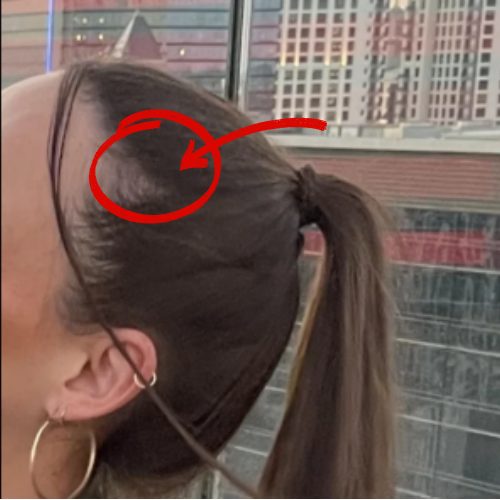
There is encouraging news for anyone experiencing these symptoms: early‑stage thinning usually triggers follicle miniaturization, rather than permanent follicle death. Follicles remain alive; they simply produce finer, shorter, weaker hair with every growth cycle. Miniaturized follicles can be revived to generate stronger hair, whereas fully dead follicles cannot be restored. Taking action early gives you the best possible outcome.
2. Why Most Hair‑Growth Products Fail to Deliver Results
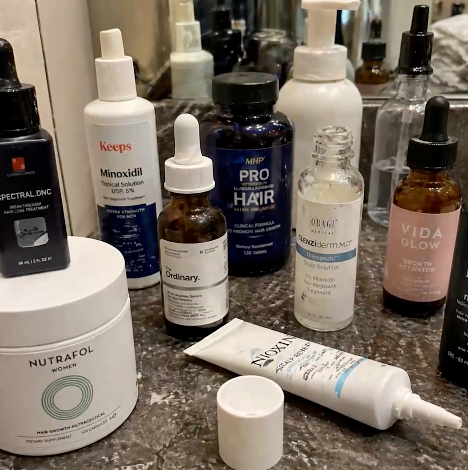
Take a look inside the bathroom cabinet of someone dealing with thinning hair. You will likely spot castor oil, rosemary oil, one or two hair serums, biotin gummies, plus random folk‑remedy products recommended by friends or family — many sitting half‑used.
So why do these items underperform? Nearly all of them rely on just one active ingredient to solve a multi‑faceted problem. Biotin nourishes existing hair strands but cannot trigger new growth. Castor oil only coats the outside of hair. Growth‑boosting shampoo rinses away after 60 seconds of contact. Each product may tackle one tiny piece of the puzzle at most.
Hair thinning itself is multi‑dimensional: follicles slip into resting phases and shrink, existing hair loosens and sheds prematurely, and growth signals at the hair root shut down. When you resolve only one of these issues while ignoring the rest, you will not spot visible changes in your mirror. This is not a flaw within the raw ingredient — it is a mismatch between single‑purpose cosmetics and complex hair‑loss triggers.
3. Four Research‑Backed Active Ingredients Proven to Support Hair Health
Hair‑care marketing pushes hundreds of so‑called “hair‑growth” ingredients, yet only a small subset has solid clinical research verifying their performance. When reviewing studies that measure real increases in hair count and thickness, four actives repeatedly stand out. Combined, they cover every core biological mechanism behind thinning hair.
Redensyl — Follicle Awakening. It targets stem cells located at the base of hair follicles and rouses dormant follicles to re‑enter the active growth phase. This ingredient addresses miniaturization at its source, rather than only treating visible hair strands.
AnaGain — Growth Signaling. Sourced from organic pea sprouts, this compound is clinically studied to re‑activate root‑level growth signals, prompting inactive follicles to resume hair production.
Aminexil — Hair Anchoring. Aging stiffens collagen surrounding hair roots, which causes strands to loosen and fall out ahead of schedule. Aminexil counteracts this collagen hardening, securing your existing hair while fresh new hair develops.
Rosemary extract — Clinically Validated Botanical. A 2015 clinical trial compared rosemary extract head‑to‑head against 2% minoxidil. After six months, both delivered comparable improvements in hair volume, with rosemary triggering far less scalp irritation and itching.
Any one of these ingredients brings some benefit. Using all four together supports growth‑phase reactivation, root‑level signaling, secure hair anchoring, and improved scalp circulation. This covers the full biological chain driving hair thinning.
4. The Hidden Downside of “Proprietary Blends”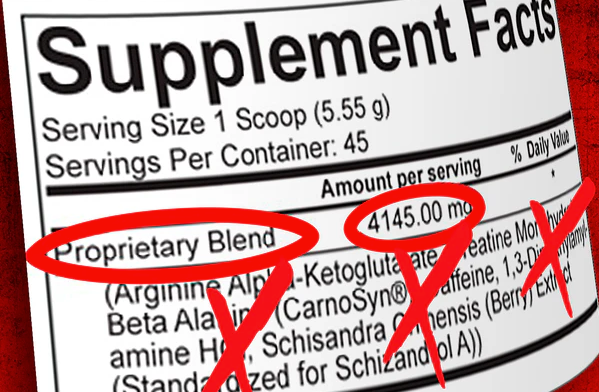
Even if a formula contains one of these four powerful actives, there is still another common pitfall. Flip over most hair‑serum bottles and you will encounter two words: “proprietary blend.”
Brands use this label to advertise headline‑worthy ingredients, without disclosing exact concentrations. In practice, it often means the active you bought the product for exists only in trace amounts — enough to meet legal labeling requirements, but nowhere near the dosage used in the research papers that made that ingredient famous. A token splash of rosemary extract cannot replicate results from the clinically tested 3% concentration.
A single bottle can fail you on two fronts: it may only include one of the required actives instead of all four, and even that single ingredient may be dosed too weakly to work. Many consumers blame their genetics for poor results, when weak formulation is the real cause.
5. Key Qualities of a Truly Effective Hair‑Growth Formula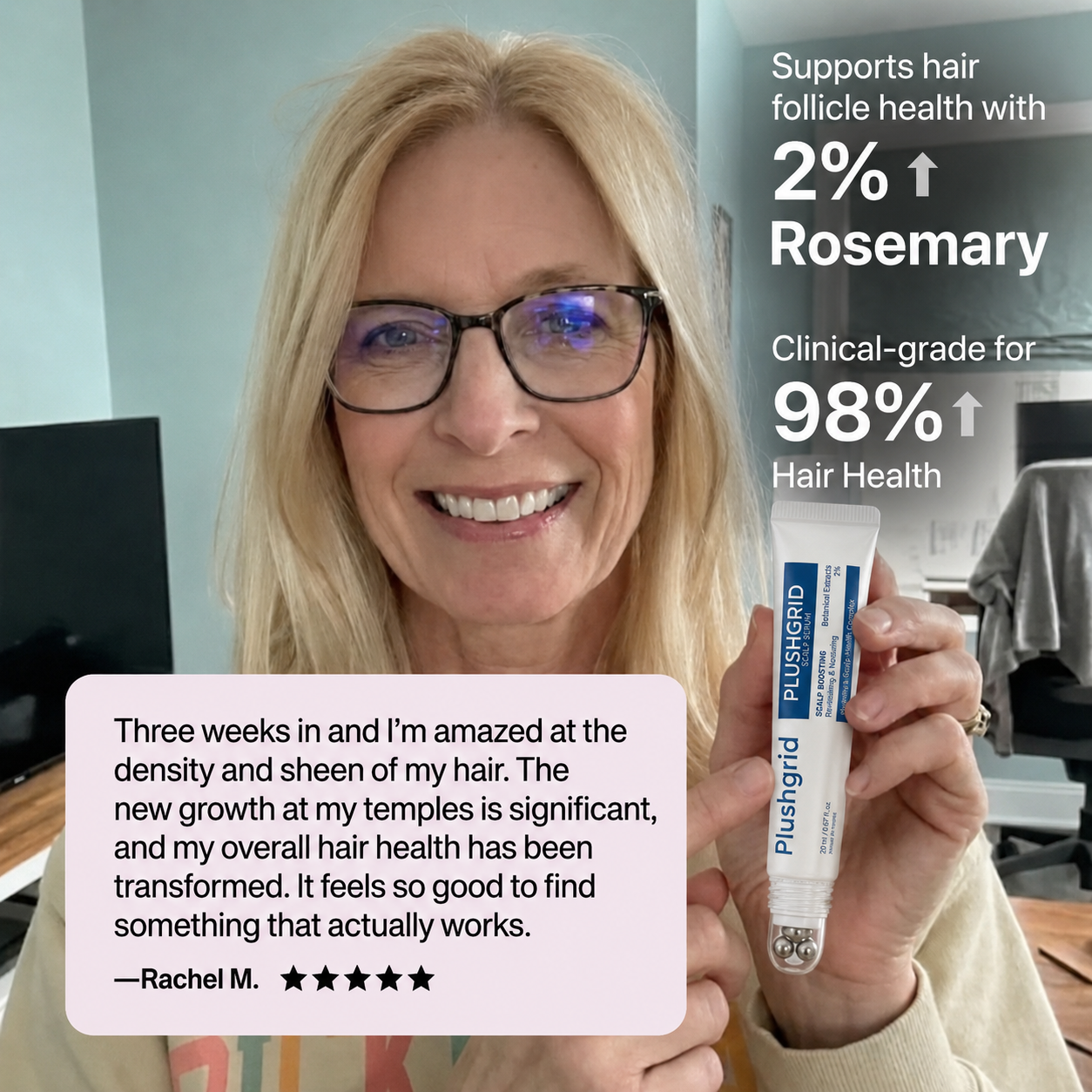
Putting all these insights together creates a short but strict checklist for choosing a high‑performance serum. You need all four research‑validated actives within one formula, do not settle for products leaning on one star ingredient. Every active should match the exact dosage used in clinical trials, with concentrations printed clearly on packaging — no vague “proprietary blend” hiding real dosages. The product also needs simple usability, so you can stick with consistent application. Hair follows 90‑day growth cycles, and consistency is critical for real progress.
Most hair‑care products fall short on at least one of these requirements. Plushgrid is one serum I regularly recommend to women because it checks every box. It combines the full suite of actives at transparent, research‑grade concentrations: 3% Redensyl, 3% rosemary extract, 2% Aminexil, 2% AnaGain. All dosages are printed on product labels. It comes as a quick daily roll‑on, formulated without minoxidil, hormones, or added fragrance.
Results will not appear overnight — no legitimate hair treatment delivers instant transformations. Most women first notice reduced shedding, typically within the first several weeks of use. Fine baby hairs along your part line and hairline generally emerge between week 8 and week 12, while noticeable density gains build gradually over three‑to‑six months. For the first time, you are counteracting all four major drivers of thinning hair simultaneously. This explains why it outperforms single‑ingredient alternatives.
6. Why Many Women Give Up Right Before Seeing Visible Improvements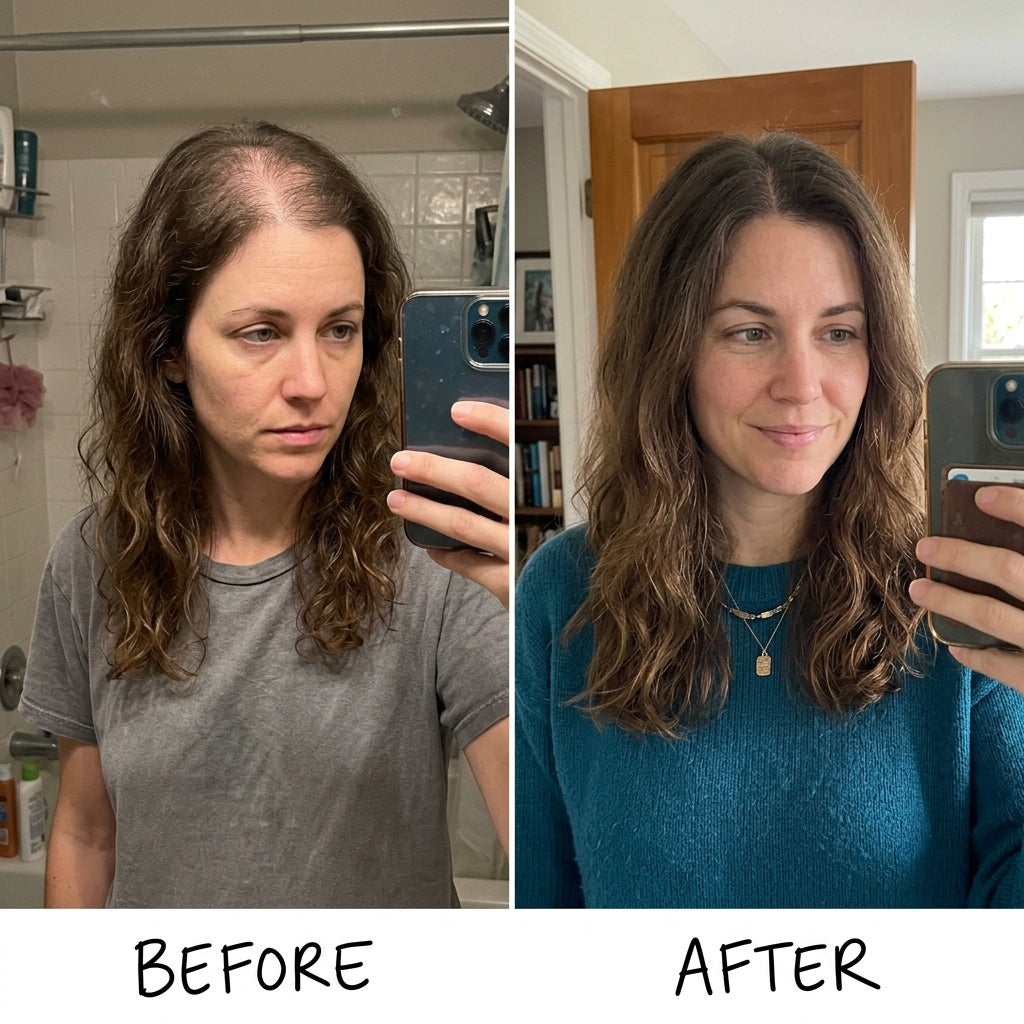
Many users start a new hair routine, hit week six, see no dramatic changes, and abandon the product entirely. What they do not realize is that human hair runs on 90‑120‑day growth cycles. No treatment produces obvious regrowth in just six weeks. This applies equally to minoxidil, hair transplant final outcomes, and the four‑active serum system.
Reduced shedding is usually your first observable sign: less hair caught in brushes, fewer strands washing down drains. Around weeks 8‑12, you may spot fine baby hairs along your hairline or part. Meaningful increases in hair density demand a minimum of three‑to‑six months.
If any brand promises full hair regrowth within 30 days, they are either misleading buyers or selling cosmetic hair concealers. Users who achieve real results keep applying their product through those quiet early weeks. That is exactly why the formula must be simple enough to maintain daily use through the full 90‑day hair cycle.